
Эволюция детских колясок от простых моделей до высокотехнологичных решений
Добавить время:2025-12-31
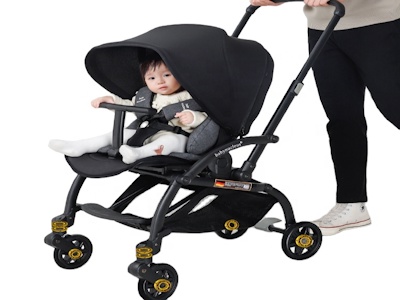
Детские коляски – не просто удобный аксессуар для родителей; они являются символом заботы, безопасности и прогресса в воспитании детей. За последние столетия эти устройства претерпели значительную эволюцию, превратившись из простых, рудиментарных конструкций в sophisticated technological marvels. В этой статье мы подробно рассмотрим историю детских колясок, начиная с их скромных начал, через ключевые инновации, и заканчивая современными high-tech решениями, которые redefine parenting. Мы обсудим, как изменения в дизайне, materials, and technology отражают broader societal shifts, и предложим insights into the future of this essential baby gear.
Ранние истоки: первые шаги в истории колясок
История детских колясок начинается в XVIII веке, когда английский архитектор Уильям Кент создал первую известную модель для герцога Девонширского. Это было нечто похожее на небольшую повозку, запряженную пони, designed to entertain the duke's children. Однако, эти ранние версии были доступны только aristocracy and were far from practical for everyday use. Они символизировали статус и luxury, а не utility. В XIX веке, с Industrial Revolution, коляски стали более accessible. В 1840-х годах, Чарльз Бертон patented a design that resembled a perambulator, which could be pushed by hand. Это marked the beginning of mass production, making prams available to the middle class. Эти early models were often made of wicker or wood, with large wheels and basic suspension, but они lacked safety features and were cumbersome. Parents had to rely on their strength to maneuver them, and accidents were common due to poor design. Несмотря на это, они represented a step forward in child care, allowing families to take infants outdoors more easily. К концу XIX века, коляски evolved to include features like brakes and folding mechanisms, but они still prioritized aesthetics over functionality. Например, викторианские эпохи saw ornate designs with frills and lace, reflecting the era's emphasis on appearance. Однако, safety remained a secondary concern, and many children suffered injuries from tip-overs or entrapment. Этот период highlighted the need for innovation, setting the stage for the 20th century's advancements.
XX век: революция в дизайне и безопасности
XX век brought dramatic changes to baby strollers, driven by technological progress and growing awareness of child safety. В 1920-х годах, Owen Maclaren, aeronautical engineer, invented the first lightweight, foldable stroller using aluminum tubing, inspired by aircraft design. Это innovation made strollers portable and convenient, revolutionizing how parents traveled with children. Maclaren's design became immensely popular, and by the 1960s, foldable strollers were commonplace. Additionally, the introduction of plastics and synthetic materials in the mid-20th century reduced weight and cost, making strollers more affordable and durable. Safety also became a priority; in the 1970s, governments began implementing safety standards, such as the U.S. Consumer Product Safety Commission guidelines, which mandated features like harnesses, brakes, and stability tests. These regulations forced manufacturers to improve designs, reducing accident rates significantly. Another key development was the rise of modular strollers, such as those with interchangeable components like car seats and bassinets, offering versatility for growing families. Brands like Graco and Chicco emerged as leaders, focusing on ergonomics and user-friendly features. By the 1990s, strollers had evolved into sophisticated systems with adjustable handles, storage baskets, and all-terrain capabilities, catering to active lifestyles. This era also saw the influence of feminism and changing gender roles; as more women entered the workforce, strollers became symbols of mobility and independence for parents. The XX century thus transformed strollers from basic carriers to essential, safe, and adaptable tools for modern parenting.
Современная эпоха: высокотехнологичные инновации
В XXI веке детские коляски достигли пика technological sophistication, integrating smart features and advanced materials. Современные модели often include GPS tracking, allowing parents to monitor their child's location via smartphone apps. For example, some strollers have built-in sensors that alert parents if the stroller is moved unauthorized or if the child is in distress. Additionally, electric and motorized strollers have emerged, reducing physical strain on parents; these can be controlled remotely or via voice commands, using batteries that last for hours. Materials have also advanced; carbon fiber and aerospace-grade aluminum make strollers lighter yet stronger, while memory foam padding and ergonomic designs enhance comfort for both child and parent. Safety features have become more comprehensive, with automatic braking systems, collision avoidance technology, and airbags in some premium models. Furthermore, connectivity is key; strollers can sync with other devices, such as baby monitors or health trackers, providing a holistic care ecosystem. Brands like UPPAbaby and Bugaboo lead the market with customizable options, from all-wheel drive for off-road adventures to compact designs for urban living. Environmental sustainability is another trend, with companies using recycled materials and eco-friendly production processes. These innovations not only improve functionality but also reflect a broader shift towards digital parenting, where technology aids in child-rearing. However, this high-tech approach comes with challenges, such as higher costs and potential privacy concerns, but it undoubtedly offers unprecedented convenience and peace of mind for families.
Влияние на общество и культуру
Эволюция детских колясок оказала profound impact on society and culture, shaping how families interact with urban environments and each other. Historically, strollers enabled greater mobility for parents, particularly mothers, allowing them to participate more actively in public life. In the 20th century, the proliferation of strollers contributed to the design of cities, with the introduction of ramps, wider sidewalks, and stroller-friendly public transport. This accessibility helped normalize parenting in public spaces, reducing stigma and promoting inclusivity. Culturally, strollers have become status symbols; high-end models from brands like Silver Cross or Stokke are often associated with wealth and style, influencing consumer behavior and social perceptions. Moreover, the evolution reflects changing parenting philosophies; from the authoritarian approaches of the past to today's child-centric methods, where comfort and safety are paramount. Strollers also play a role in gender dynamics; while traditionally associated with mothers, modern designs are increasingly gender-neutral, encouraging shared parenting responsibilities. However, criticisms exist; some argue that over-reliance on technology in strollers may reduce parental engagement or create disparities based on income. Despite this, the overall trend has been positive, fostering a more connected and supportive community for families. The cultural significance of strollers extends beyond practicality; they represent hope, progress, and the enduring commitment to nurturing the next generation.
Будущее детских колясок: тенденции и прогнозы
Глядя в будущее, эволюция детских колясок likely to continue at a rapid pace, driven by advancements in AI, robotics, and sustainable design. One emerging trend is the integration of artificial intelligence, where strollers could learn from parental habits and adjust settings automatically, such as optimizing suspension based on terrain or suggesting routes via smart navigation. Robotic strollers that follow parents autonomously are already in development, potentially freeing hands for other tasks. Additionally, as concerns about climate change grow, we can expect more eco-friendly innovations, such as strollers made from biodegradable materials or powered by solar energy. Personalization will also be key; with 3D printing, parents might customize strollers to fit their child's specific needs or aesthetic preferences. Health monitoring features could become standard, with sensors that track vital signs like heart rate or temperature, alerting parents to potential issues early on. Furthermore, the rise of smart cities might lead to strollers that seamlessly integrate with public infrastructure, such as automatic docking stations or IoT connectivity for enhanced safety. However, these advancements raise ethical questions, such as data privacy and the digital divide, where only affluent families can afford cutting-edge models. To address this, manufacturers may focus on making technology more accessible through affordable options. Ultimately, the future of strollers will balance innovation with inclusivity, ensuring that every family can benefit from these tools. As we move forward, the core purpose remains unchanged: to provide a safe, comfortable, and loving environment for children, empowered by the best that technology has to offer.
Заключение
В заключение, эволюция детских колясок от простых моделей до высокотехнологичных решений – это remarkable journey that mirrors human progress. От скромных beginnings в XVIII веке до sophisticated devices XXI века, коляски evolved to meet the changing needs of families, emphasizing safety, convenience, and innovation. Этот progression not only enhanced the practicality of parenting but also influenced societal norms and cultural values. Как мы look to the future, continued advancements promise even greater integration of technology, making strollers smarter, safer, and more sustainable. Однако, it is crucial to remember that at the heart of this evolution lies the universal desire to protect and nurture children. By embracing innovation while staying grounded in empathy, we can ensure that детские коляски remain a symbol of love and care for generations to come.
Предыдущая страница: Почему тележка с простым управлением экономит время
Следующая страница: Секреты производителей: как создать самую удобную коляску для младенцев