
какое направление детской коляски лучше для развития ребенка
Добавить время:2025-12-19
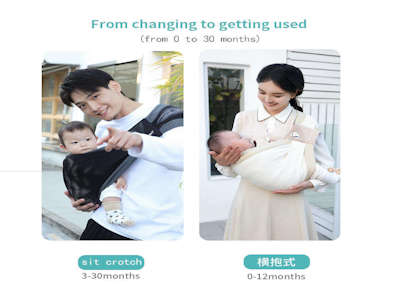
Детская коляска – это не просто средство передвижения для малыша; она играет crucial роль в его ежедневном опыте и развитии. Выбор направления коляски – будь то положение "ребенок вперед лицом" или "родитель вперед лицом" – может оказать значительное влияние на психологическое, физическое и социальное развитие ребенка. В этой статье мы подробно исследуем оба варианта, основываясь на научных исследованиях, экспертных мнениях и практическом опыте, чтобы помочь родителям сделать информированный выбор для благополучия своего чада.
Введение: Почему направление коляски имеет значение
Современные родители сталкиваются с множеством решений, касающихся ухода за ребенком, и выбор коляски – одно из них. Направление, в котором ребенок сидит или лежит в коляске, влияет на его взаимодействие с окружающим миром, уровень стресса, физическое здоровье и даже когнитивное развитие. Исследования показывают, что младенцы и toddlers, которые проводят много времени лицом к родителям, часто демонстрируют более высокие уровни привязанности и меньше тревожности. С другой стороны, положение лицом вперед может стимулировать curiosity и exploration. Мы углубимся в детали, чтобы предоставить comprehensive руководство.
Исторический контекст и эволюция детских колясок
Детские коляски прошли долгий путь от простых деревянных конструкций XIX века до современных многофункциональных моделей. Изначально коляски designed primarily for practicality, with little consideration for developmental impacts. However, as psychology and pediatrics advanced, designers began to incorporate features that support child development. The introduction of reversible seats in the late 20th century allowed parents to switch between forward-facing and parent-facing modes, sparking debate on which is better. Understanding this history helps appreciate why the direction matter today.
Психологическое развитие: Влияние направления на эмоциональное благополучие
Психологи emphasise the importance of secure attachment in early childhood. When a child faces the parent, they can maintain eye contact, hear comforting words, and feel a sense of security. This reduces cortisol levels (the stress hormone) and promotes emotional regulation. Studies, such as those by Dr. Suzanne Zeedyk, have shown that children in parent-facing prams smile more, laugh more, and fall asleep easier. In contrast, forward-facing children may experience overstimulation from environmental inputs, leading to higher stress. However, for older toddlers, facing forward can foster independence and curiosity. We'll explore age-specific recommendations and how to balance these aspects.
Физическое развитие: Осанка, комфорт и здоровье
The physical design of a pram affects a child's posture, spine development, and overall comfort. Parent-facing positions often allow for better adjustment of the seat to support the baby's back, especially in reclining modes. This is crucial for infants whose spines are still developing. Forward-facing might encourage a more upright posture, which can be beneficial for toddlers but risky if not properly supported. Additionally, factors like sun exposure, wind, and noise vary with direction; for example, facing the parent can protect from elements. We'll discuss ergonomic considerations and how to choose a pram that promotes healthy physical growth.
Безопасность: Что говорят эксперты
Safety is paramount in pram design. Parent-facing modes often provide better visibility for the caregiver, allowing them to monitor the child's breathing, temperature, and any potential hazards. This can prevent accidents like suffocation or overheating. Forward-facing might offer a clearer view of the path ahead but reduce parental oversight. Crash tests and safety standards (e.g., European EN1888) apply to both directions, but practical safety tips, such as avoiding busy streets in forward mode, are essential. We'll cover best practices and how to ensure your child's safety regardless of direction.
Социальное и когнитивное развитие: Взаимодействие с миром
Children learn through observation and interaction. Facing the parent facilitates language development through constant communication, as parents naturally talk, sing, and describe surroundings. This builds vocabulary and social skills. Forward-facing exposes children to a wider array of stimuli, promoting visual processing and curiosity about the environment. For cognitive development, a mix might be ideal; for instance, using parent-facing for bonding times and forward-facing for exploratory walks. We'll delve into research on brain development and provide scenarios where each direction excels.
Практические советы для родителей: Как выбрать и когда менять направление
Choosing the right pram direction depends on the child's age, temperament, and daily routines. For newborns to 6 months, parent-facing is generally recommended to support attachment and reduce stress. From 6 months to 2 years, a transitional approach can work, switching based on the situation. After 2 years, most children benefit from forward-facing to encourage independence. Factors like pram model, budget, and lifestyle (e.g., urban vs. rural) also play a role. We'll offer a step-by-step guide, including how to assess your child's needs and when to invest in a reversible pram.
Заключение: Оптимальный выбор для здорового развития
In summary, there is no one-size-fits-all answer to the best pram direction. Parent-facing tends to be superior for emotional and attachment needs in early infancy, while forward-facing can enhance exploration and independence in toddlerhood. The key is to be flexible and attentive to your child's cues. By considering psychological, physical, safety, and cognitive aspects, parents can make a choice that fosters holistic development. Remember, the pram is a tool; the love and interaction you provide are what truly shape your child's growth.
Эта статья aimed to provide a thorough analysis to empower parents in their decision-making. For further reading, consult pediatric resources or speak with a child development expert. Ваш ребенок deserves the best start in life, and every small choice counts.
Предыдущая страница: все о безопасности детской коляски и тормозах
Следующая страница: Почему подножка для коляски так важна для правильного развития ножек ребенка